





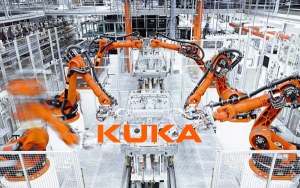
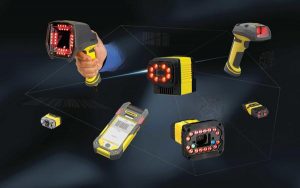





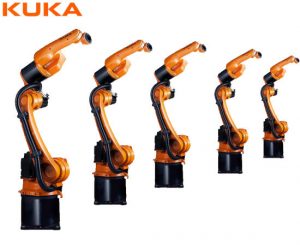






Automated Palletizing Solutions for FMCG, F&B, and Packaging Plants in Vietnam
In modern manufacturing facilities—particularly within the FMCG, F&B, and packaging sectors—the “End-of-Line” stage is increasingly becoming a major bottleneck affecting operational efficiency. Many businesses still rely on manual labor for tasks such as:
- Stacking cartons onto pallets
- Sorting products
- Handling end-of-line transport
- Preparing goods for warehousing or shipment
However, as production speeds rise, manual operations are revealing significant limitations, including labor shortages, inconsistent throughput, a high risk of errors and workplace accidents, and escalating operating costs.
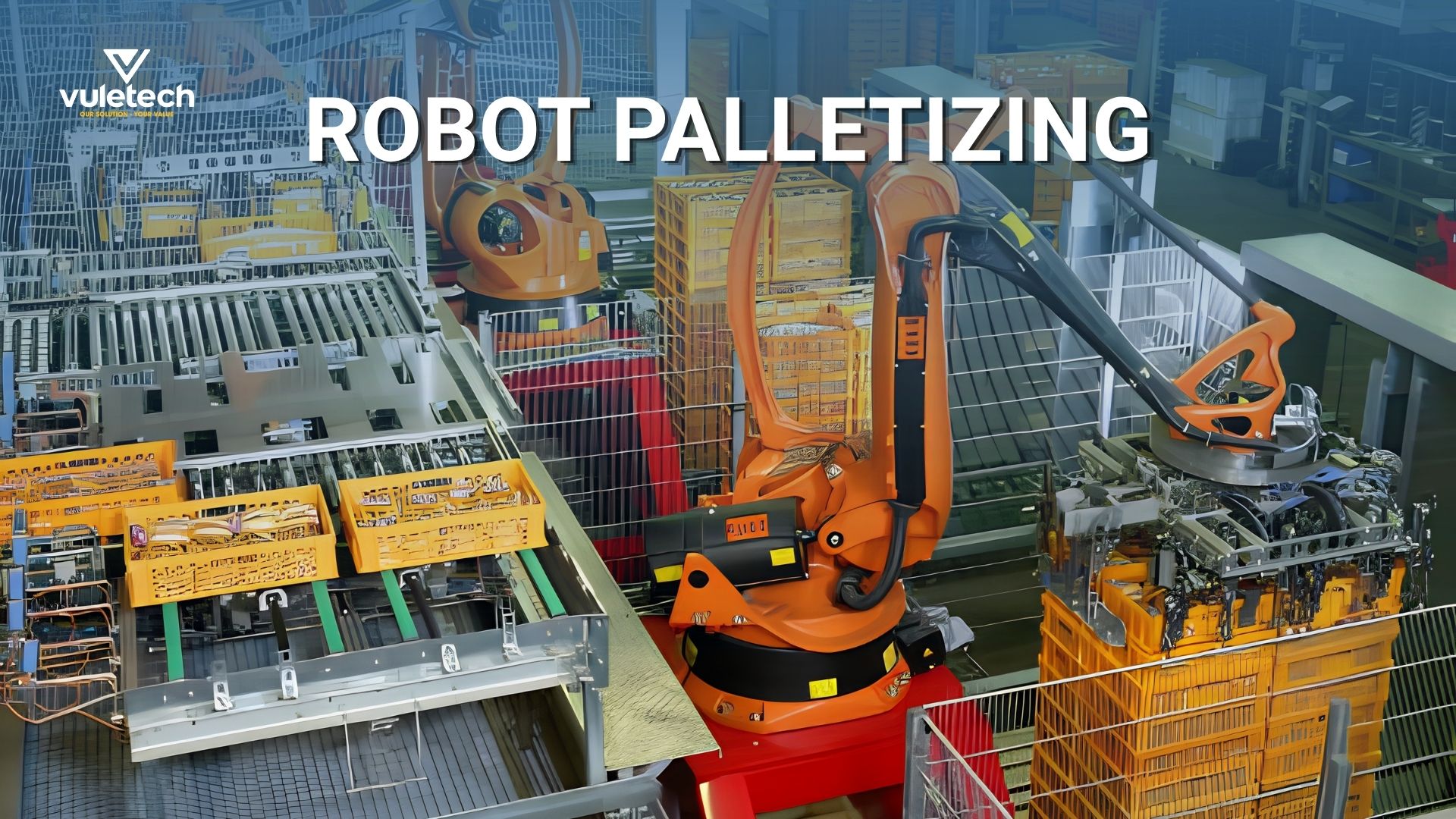 I. What is a Palletizing Robot?
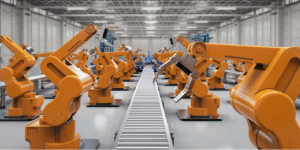
Robotic palletizing is an industrial robotic system used to automate the following tasks:
- Picking up products
- Lifting cases or cartons
- Stacking products onto pallets
- Creating stacking patterns
- Optimizing end-of-line operations
These robots can operate continuously at high speeds with consistent precision, effectively replacing the majority of manual palletizing tasks in factories. Currently, robotic palletizing is commonly used for cartons, beer crates, sacks, plastic trays, beverage cans, PET bottles, packaged foods, outbound palletizing, and more.
II. Why are palletizing robots becoming increasingly popular in Vietnam?
1. Shortage of end-of-line labor
Many factories today face growing difficulties in recruiting workers for palletizing tasks—particularly those involving night shifts, hot environments, repetitive motions, and heavy lifting. These conditions often lead to high turnover rates. Palletizing robots help businesses by:
- Reducing labor dependency
- Stabilizing production
- Alleviating recruitment pressure
- Enabling continuous 24/7 operation
2. Increasing production line speeds
In the FMCG and F&B sectors, many production lines—such as those for beverages, instant noodles, dish soap, laundry detergent, shampoo, and food packaging—operate at very high speeds. If the palletizing stage cannot keep pace with the line speed, the entire production process becomes bottlenecked. Palletizing robots can:
- Operate at high speeds
- Synchronize with conveyor systems
- Minimize end-of-line downtime
- Increase operational efficiency
3. Reducing the risk of workplace accidents
Manual palletizing often carries risks such as back pain, hand and shoulder injuries, dropped pallets, falls, and forklift collisions. Robots significantly reduce the need for manual lifting, thereby enhancing operational safety within the factory.
III. How does a robotic palletizing system work?
An automated robotic palletizing system typically consists of:
- Industrial robot
- Gripper (end-effector)
- Conveyor system
- Pallet dispenser
- Safety system
- PLC/HMI control system
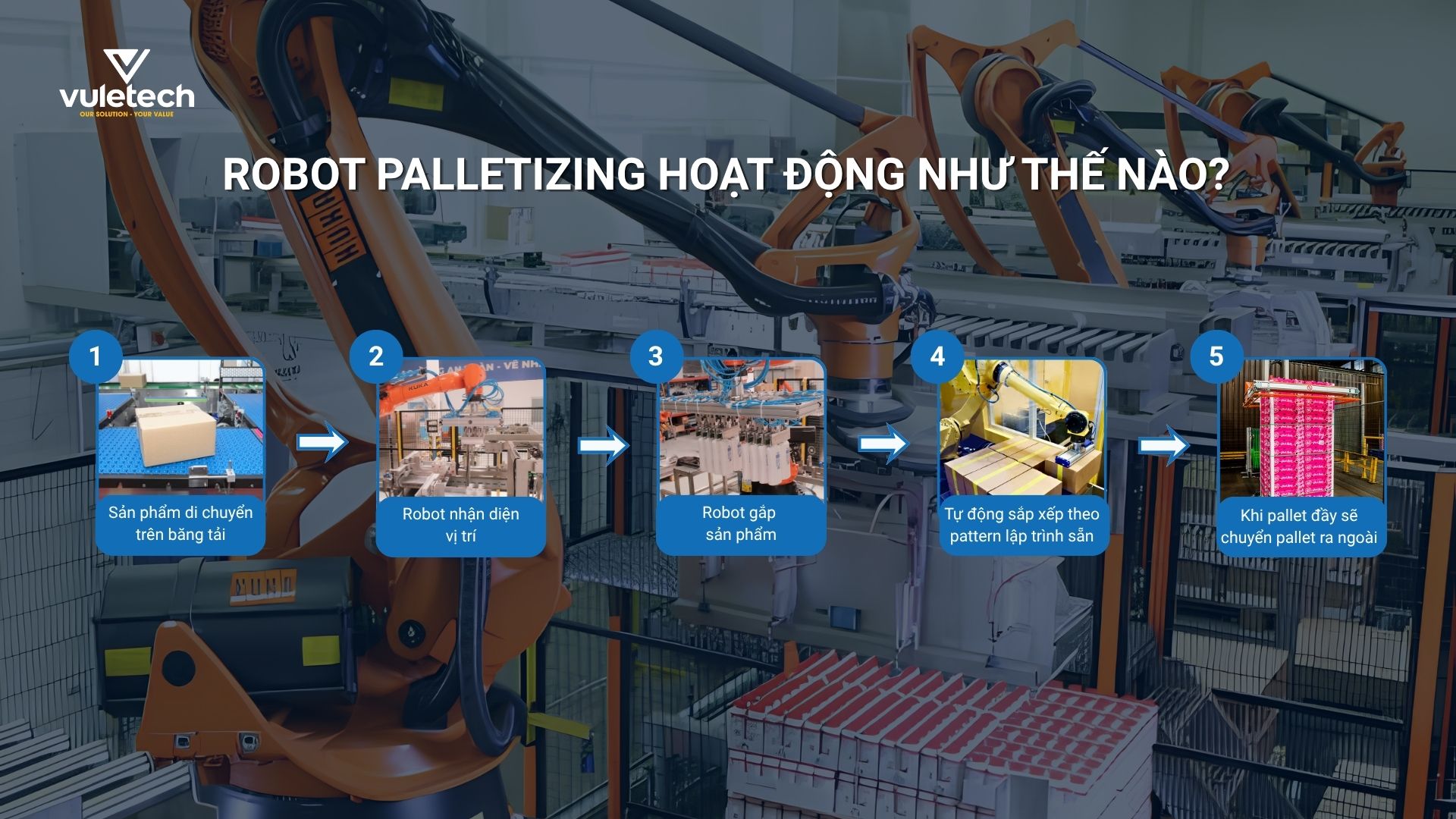 The basic operating process of a robotic palletizing system is as follows:
- Products move along a conveyor belt.
- The robot receives position signals.
- The robot picks up the product.
- The robot automatically stacks the products according to a pre-programmed pattern.
- Once the pallet is full, the system moves it out.
The entire process is fully automated.
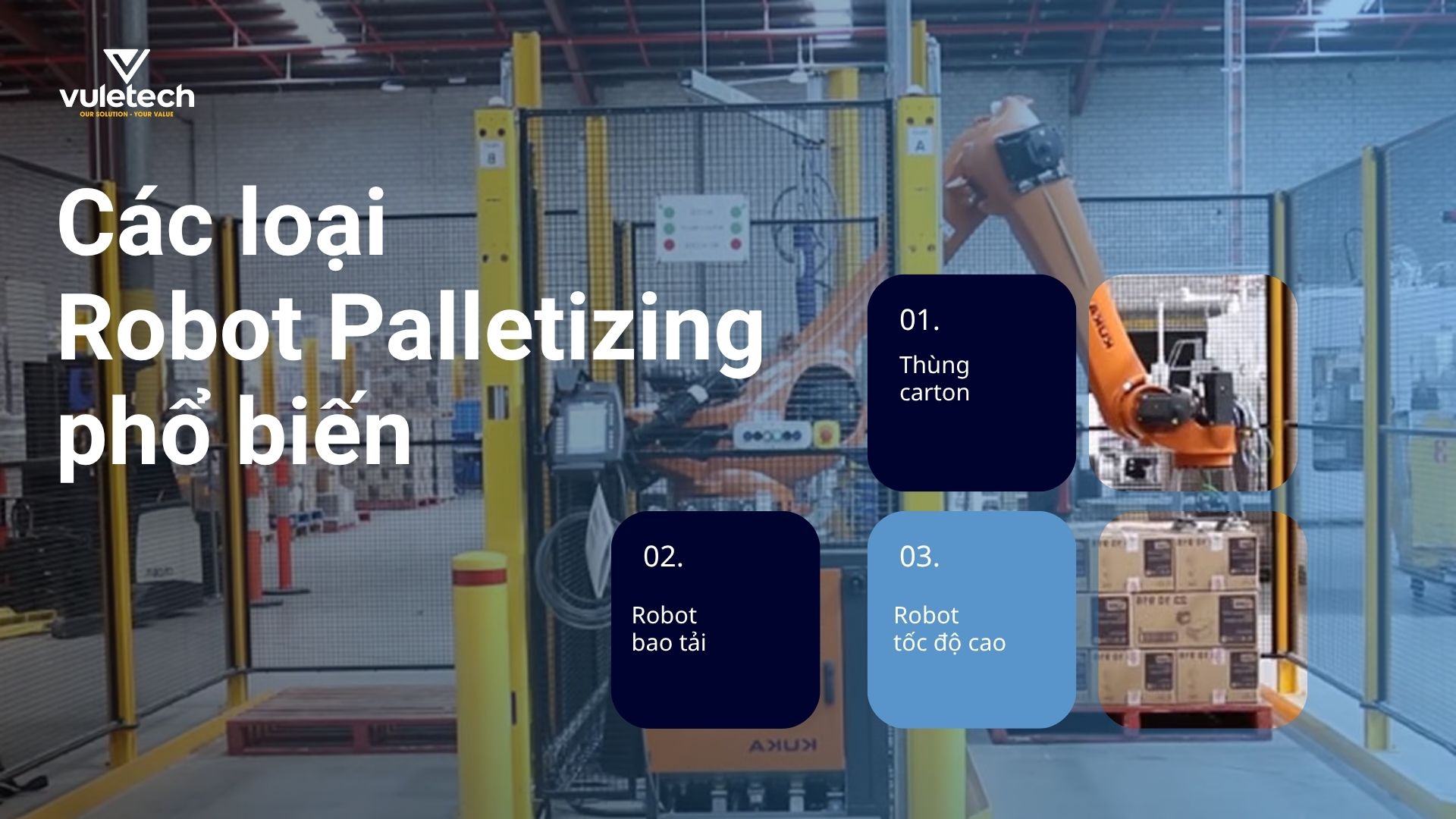
IV. Common types of palletizing robots
1. Carton palletizing robots
This is the most common application in the FMCG and packaging industries.
The robot performs the following tasks:
- Picks up cartons.
- Rotates them to the correct orientation.
- Stacks them in layers.
- Optimizes pallet space utilization.
Widely used in factories producing beverages, confectionery, and household products such as laundry detergent, dish soap, floor cleaner, etc.
2. Bag palletizing robots
Applications include:
- Rice
- Animal feed
- Food ingredients
- Chemicals
- Cement
These robots can handle 25 kg bags, 50 kg bags, and jumbo bags with greater stability than manual handling.
3. High-speed palletizing robots
Used for high-speed production lines, such as those for beer, soft drinks, and high-volume FMCG products. These systems often integrate multi-lane conveyors, vision systems, and automatic pallet exchange mechanisms to optimize product throughput at the end of the line.
 V. Application of Palletizing Robots in the FMCG and F&B Industries
1. Beverage plants
Robots help to:
- Stack beverage cases onto pallets
- Reduce end-of-line labor
- Operate continuously across shifts
2. Breweries
Palletizing robots help to:
- Handle high-speed operations
- Reduce bottlenecks
- Optimize outbound logistics
3. Food processing plants
Applications for:
- Snacks
- Instant noodles
- Packaged foods
- Frozen foods
4. Seafood processing plant
Robotic support:
- Cold environment
- Reduced labor requirements in cold storage areas
- Increased operational stability
VI. Key Considerations for Implementing Palletizing Robots
- Line speed: Facilities must evaluate the number of products per minute, cycle time, and actual product throughput to select the appropriate robot.
- Product load: The robot must be capable of handling the specific weight of cartons, sacks, or high-stack pallet loads.
Installation space: Many existing facilities have layout constraints; therefore, it is necessary to optimize the robot’s operating range, safety zones, pallet flow direction, and the positioning of forklifts or AGVs. - System safety: Palletizing robot systems require integrated safety features—such as safety fencing, emergency stop buttons, safety scanners, door interlocks, and safety PLCs—to ensure safe operation.
VII. Palletizing Robot Trends in Vietnam
Currently, many enterprises are transitioning from manual methods to automated palletizing robot systems to boost productivity, reduce labor dependency, and optimize end-of-line operations. Looking ahead, the automation trend will extend beyond robotic palletizing toward “Smart Factory” models, featuring interconnected and synchronized operations across various systems, such as:
- AGVs/AMRs for automated pallet transport
- AI vision cameras for product recognition and inspection
- Real-time data systems
- Smart automated warehousing
- MES/OEE integration for plant-wide performance monitoring
Particularly within the FMCG and packaging sectors, palletizing robots are becoming a crucial component of strategies to enhance production capacity, enabling businesses to accelerate operations, optimize costs, and prepare for the future of smart manufacturing.
VIII. VULETECH Provides Robotic Palletizing Solutions for FMCG, F&B, and Packaging Plants
Drawing on extensive experience implementing automation solutions for numerous factories across Vietnam, VULETECH offers:
- Robotic Palletizing
- End-of-Line Automation
- Conveyor Systems
- Vision Systems
- AGV Integration
- Customized Solutions Tailored to Production Line Requirements
VULETECH’s team of engineers is ready to assist with on-site plant surveys, layout design, solution simulation, system integration, and training on operation and maintenance. Leave your details today!
Vu Le Technology Co., Ltd. – Specialist in robotics and factory automation solutions.
► Address: No. 7, Lot C2, Street 659, Phuoc Long Ward, Thu Duc City, Ho Chi Minh City
► Hotline: (028) 3620 8179 / 3620 8176 / 3620 8177 | Fax: (028) 3620 8178
► Email: info@vuletech.com